"I turned on a premium VPN, opened a website in incognito mode without logging in, and the service still figured out my exact country and city." Sound familiar? Complaints like this are popping up on independent forums more and more every day. Users test their connections for DNS leaks and switch providers, but major platforms like YouTube or financial services keep seeing right through them.
This doesn't mean your encryption has been cracked. It means tracking technologies have advanced far beyond traditional IP address analysis. Let's break down how the modern internet bypasses your protection and how to build true, multi-layer privacy.
How do they find you without an IP address?
When you launch a secure tunnel, you only close one door: your network address. But modern browsers and operating systems contain dozens of loopholes that major corporations exploit to collect circumstantial evidence.
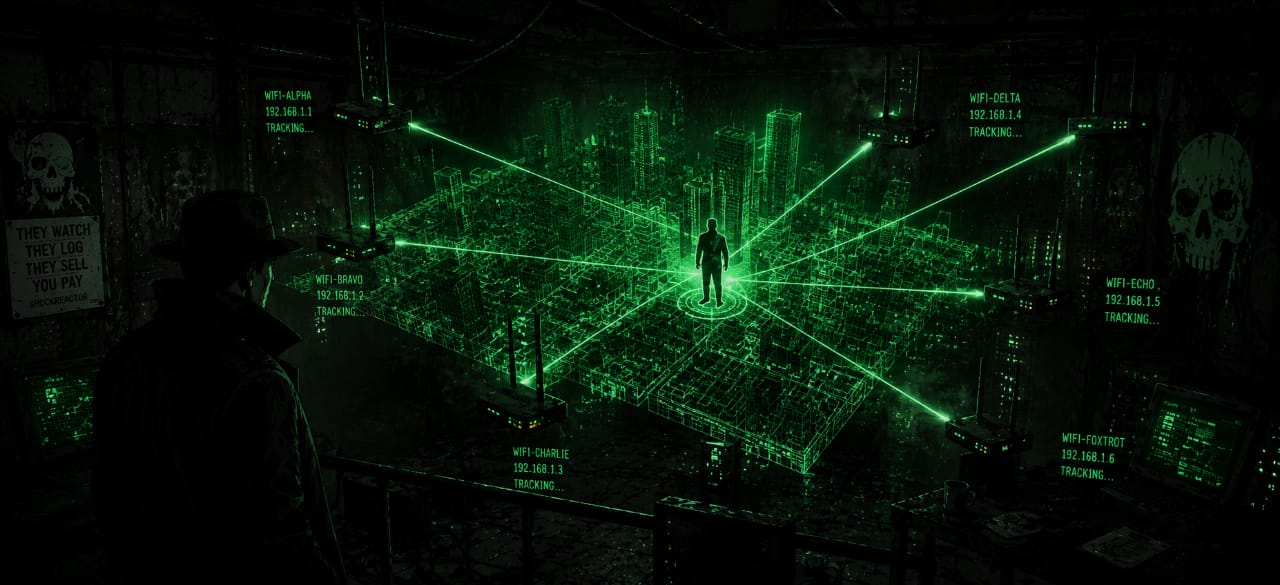
- Wi-Fi environment scanning (BSSID): Your device constantly sees the names and hidden physical addresses (BSSIDs) of all surrounding routers—your neighbors, the café next door, offices. Tech giants maintain highly accurate global maps of these access points. A website requests a list of surrounding networks through your browser, cross-references it with its database, and figures out exactly which city and building you are in, completely ignoring any foreign VPN.
- Digital Fingerprinting: The combination of your graphics card model, operating system version, installed fonts, keyboard layout, and even sound card settings creates a unique digital profile of your device. The moment you accidentally disconnect your VPN or visit a site directly just once, the system permanently links this unique fingerprint to your real location.
Moving to advanced protection
To regain control over your privacy, standard commercial apps are no longer enough. Protection must be comprehensive, addressing not just the network, but the device's own sensors.
- Network isolation: The ideal scenario is configuring your VPN at the router level while completely disabling geolocation services and background Wi-Fi scanning on your actual end devices (phones, laptops).
- Sensor spoofing: For mobile devices, it is critical to use hardware- and system-level coordinate spoofing tools (custom Fake GPS utilities). Your device must be forced to feed the operating system fake coordinates that match your VPN server's exit point.
- Clean protocols: Use independent infrastructure running next-generation protocols (VLESS with Reality obfuscation) deployed on your own isolated servers. This prevents your IP from landing in the shared databases of commercial VPN providers that major corporations routinely flag and block first.
Privacy today isn't just about buying a ready-made subscription. It's an intelligent architecture where you control every byte of data and every single coordinate your device tries to leak to the outside world.
#cybersecurity #geolocation #BSSID #FakeGPS #privacy #VLESS #Reality #censorshipcircumvention #vpn-top-shop