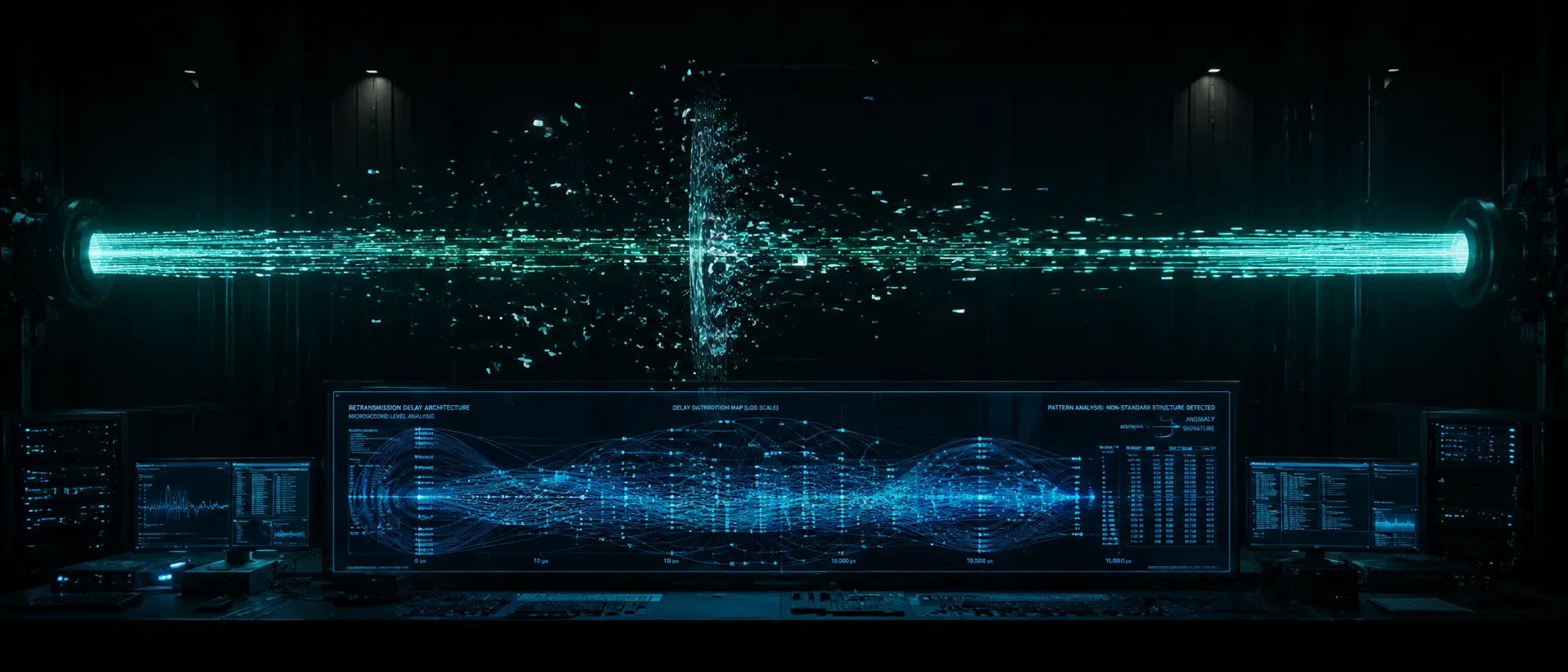
Yesterday we dissected the complex architecture of L7 search engines and examined how TSPU nodes unpack tunneling over Elasticsearch / OpenSearch by looking at missing pairing in NDJSON strings and flat server response times (Elasticsearch _bulk Ingestion State Machine & NDJSON Payload Entropy Profiling). We saw that wrapping traffic in monolithic JSON blocks without respecting the physics of Lucene indexing immediately gives away a tunnel. But while network engineers implement dynamic shard metadata generation, an even deeper analysis vector has been deployed across deep packet inspection perimeters over the past 24 hours.
Here is the latest intelligence for vpn-top.shop. Today we are dissecting a quiet threat that targets the masking of tunnels as distributed columnar database protocols and real-time analytical dashboards (ClickHouse Native TCP over TLS, ClickHouse HTTP Interface over HTTPS). We will break down the DoubleDelta/T64 compression ratio measurement attack and the asymmetry analysis of service progress packet generation (ClickHouse Columnar Block Jitter & Progress Packet State Machine Discrepancy).
The Columnar Analytics Trap: Why Masking Traffic as the ClickHouse Native Protocol Became an Open Signature for DPI Over the Past 24 Hours
To bypass strict whitelists and embed themselves in trusted enterprise traffic, encapsulating proxy traffic into the ClickHouse Native Protocol (port 9000/9440) or POST /?query=INSERT... calls over HTTPS has been gaining momentum. The logic seemed flawless: transmitting huge volumes of structured events, clickstream data, and financial logs to analytical storage generates gigabytes of dense binary traffic between branch offices and processing servers. Blocking such connections paralyzes internal BI and business analytics.
However, the ClickHouse protocol operates on the concept of Columnar Blocks, where data from a single column is compressed using specialized codecs (DoubleDelta, Gorilla, T64, LZ4/ZSTD) and transmitted in packets with a strict alternation order of Data, Progress, Totals, and EndOfStream service structures.
Large-scale audits of cross-border anomalies over the past 24 hours have shown that the system no longer needs to decrypt TLS. It detects hidden transit tunnels through the mathematical destruction of the T64/DoubleDelta columnar compression structure and the total absence of Progress service packets during the continuous transfer of hundreds of megabytes.
The system catches "ClickHouse-masked" proxy traffic based on how unnaturally the socket generates columnar blocks to transmit user data.
Anatomy of Detection: How ClickHouse Block Compression & Progress Profiling Works
In native clients (clickhouse-client, clickhouse-go, clickhouse-jdbc), data packet transmission follows a strict columnar DBMS architecture:
1. The client and server exchange a handshake negotiating the Protocol Revision and query metadata (Query ID, Client Info).
2. During the transmission of a heavy query result set, the server periodically (typically every 100 ms) sends lightweight Progress packets (type 0x03) containing counters for read rows, bytes, and execution progress.
3. Columns of numbers, timestamps, and identifiers are compressed into blocks with a predictable value delta, achieving 4–10x compression.
Analysis schemes deployed on TSPU nodes over the past day flag proxy tunnels based on three fundamental discrepancies:
1. **The "Uncompressible String Monolith" Anomaly (Zero-Compression String Block Defect):** Proxy modules wrap payloads into a single pseudo-block of a String or Array(UInt8) column with a pseudo-LZ4 header. Since encrypted traffic has maximal entropy, the compressed block size ends up matching the original size. In a real ClickHouse deployment, transmitting columnar data with zero compression on large arrays is a direct trigger for heuristic L7 analyzers.
2. **Progress Packet Sterility (Missing Progress Handshake):** During the continuous transmission of a 50–200 MB stream, proxy stacks forget to generate Progress and ProfileEvents service frames. For a DPI complex, a socket pumping megabytes disguised as the ClickHouse Native Protocol without a single intermediate report on rows and allocated memory is flagged as a synthetic channel.
3. **Violation of Block Finalization Order (Missing EndOfStream Token):** Submitting a query to ClickHouse is always finalized with an empty data block or an EndOfStream marker (byte 0x05). Proxy clients often drop the TCP connection mid-word, exhibiting behavior atypical for an analytical engine.
```
[Legitimate ClickHouse Client]: [Query INSERT] ──► [Progress (Rows: 100k)] ──► [Block (LZ4 + T64 CR: 4.2x)] ──► OK
[ClickHouse Proxy Tunnel]: [Query ID] ──► [Monolithic Block 60MB (CR: 1.0x, No Progress)] ──► [DPI Analyzer]
│
(Block Entropy & Progress Jitter Analysis)
│
▼
INSTANT BAN
```
Over the past day, it has become definitively clear: censors have descended to the level of analyzing the internal mathematics of columnar engines and the specific algorithms used to compress structured tables.
Why Simply Sending Headers to Port 9000/9440 No Longer Works
Popular scripts wrapping Shadowsocks or VLESS into fake ClickHouse Native Protocol packets without regular Progress frame insertions and delta compression emulation faced forced socket resets (TCP RST) over the past day. Without strict adherence to the protocol physics of columnar engines, filters instantly classify the traffic as an anomaly.
Countermeasure Architecture: How to Make a ClickHouse Profile Canonical
For a tunnel disguised as a columnar database to remain invisible to deep inspection, the transport stack must model the behavior of the analytical engine:
* Columnar Type Sharding: Slicing payload traffic into structured blocks while emulating DateTime64, UInt32, and LowCardinality(String) columns, where the encrypted payload is stegographically distributed across low-entropy fields.
* Faithful Progress State Machine Emulation: Generating canonical Progress and ProfileEvents packets every 100–200 ms with valid calculations of processed row and byte counters proportional to the actual transmission speed.
* Canonical Session Finalization: Mandatory transmission of EndOfStream markers and correct transaction completion status codes upon connection closure.
This new phase of the confrontation proves that security in specialized protocols requires deep domain modeling. Do not give the system a chance to catch you on broken compression algorithms and missing status packets. Design your architecture with the physics of analytical stores in mind, and build tunnels indistinguishable from real enterprise data marts.
#cybersecurity #ClickHouse #ColumnarDB #BigData #DPI_Filtering #TrafficAnalysis #NetworkEngineering #Analytics #vpn-top-shop.
>